The West Midlands features one of the most complex, high-volume road networks in the United Kingdom. For daily commuters, commercial hauliers, and holidaymakers, the A38 and M42 serve as vital economic arteries, connecting Birmingham to Staffordshire, Worcestershire, and the wider UK motorway network.
However, heavy congestion, changing road layouts, and the introduction of active smart motorway sections mean these routes are also prime areas for vehicle breakdowns and traffic accidents.
Whether you use these roads as part of your daily routine or are just passing through the region, understanding where the main danger zones are – and how to handle a sudden vehicle failure – can make all the difference. This comprehensive guide outlines the key accident hotspots on the M42 and A38 and provides a step-by-step blueprint for roadside safety.
Also, you can read: Police Impound vs Police Compound What's the Difference and How Does Section 165A Work
The M42: Navigating One of the UK’s Busiest Motorways
The M42 forms a major part of the Birmingham orbital network. As it handles a heavy mix of local commuter traffic and long-distance freight, even a minor mechanical fault can cause severe gridlock. Additionally, parts of the M42 operate as dynamic smart motorways, meaning the hard shoulder is sometimes closed or used as a running lane – significantly increasing the risk for stranded vehicles.
Junction 3A to Junction 4: The M40 Interchange to Shirley and Solihull
This stretch is notorious for sudden traffic build-ups. As vehicles transition from the M40 onto the M42, major lane-weaving occurs. Drivers often make last-minute lane changes at high speeds, leading to frequent rear-end shunts and side-swipe collisions. If your vehicle begins to lose power here, the heavy merging traffic makes reaching the left side of the road safely extremely challenging.
Junction 6: Birmingham Airport, the NEC, and the A45
Junction 6 is arguably one of the most stressful junctions in the West Midlands. It serves as the main gateway for Birmingham Airport, the National Exhibition Centre (NEC), and major retail hubs. The traffic here is highly unpredictable, consisting of hurried holidaymakers, delivery vans, and confused drivers searching for terminal signs. Sudden braking and lane-hogging are common, making this a frequent zone for multi-car accidents.
Junction 9 to Junction 10: Curdworth to Tamworth
As the motorway moves away from the immediate Birmingham area towards Tamworth, the layout opens up and speeds increase. However, this transition zone sees an exceptionally high volume of heavy goods vehicles (HGVs). A breakdown on this stretch is particularly dangerous due to the high speeds of approaching traffic, meaning a stopped car on the verge faces an immediate safety hazard from passing lorries.
The A38: From Urban Expressways to High-Speed Dual Carriageways
Unlike the purpose-built motorway design of the M42, the A38 is a hybrid road. It cuts directly through the heart of Birmingham before expanding into a high-speed dual carriageway heading north into Staffordshire. This changing environment catches many drivers off guard.
The A38(M) Aston Expressway
The Aston Motorway is famous across the UK for its seven-lane tidal system, where the direction of the centre lanes changes depending on the time of day to manage rush hour traffic. Crucially, there is no permanent physical barrier separating oncoming traffic in the middle. Drivers unfamiliar with the overhead electronic lane signals often panic or drift into incorrect lanes. A breakdown here completely blocks a live lane of traffic, leaving you highly vulnerable to a serious collision.
Also you can read :- How Professional Towing Services Protect Your Vehicle
Minworth Island to Bassetts Pole
Further north, this section of the A38 becomes a fast dual carriageway intersected by local roundabouts. Vehicles travelling at the national speed limit (70 mph) are often forced to brake suddenly for slowing traffic ahead. The presence of hidden dips, blind bends, and short slip roads means a stalled car or a vehicle with a sudden puncture can appear unexpectedly to oncoming motorists.
Step-by-Step Motorway Breakdown Protocol (National Highways Standards)
If your dashboard lights illuminate or your engine loses power while driving at high speed on the M42 or A38, adrenaline will take over. Memorising these steps ensures you prioritise the safety of yourself and your passengers:
1. Aim for the Next Exit or an Emergency Area (EA)
Never stop in a live motorway lane if you can avoid it. Even if your car is smoking or making unusual noises, try to use your remaining momentum to exit at the next junction or pull directly into a bright orange Emergency Area (EA). If you are on a traditional section of the road, guide your vehicle as far left as possible onto the hard shoulder or a wide grass verge.
2. Signal and Switch on Hazards
Alert other road users immediately. Switch on your hazard warning lights to indicate that your vehicle has developed a fault. If it is dark, foggy, or raining heavily, keep your sidelights on as well to maximise your visibility from a distance.
3. Exit via the Left-Hand Side Only
Once the vehicle has stopped, everyone must exit through the left-hand passenger door. Never step out into the right lane or onto the side facing live traffic.
4. Move Behind the Safety Barrier
Move yourself and your passengers up the grass bank and stand well behind the metal safety barriers. Remain alert to oncoming traffic. Never stand directly in front of or behind your broken-down car, as a secondary collision could push your vehicle into you.
5. Leave Pets in the Car
While it may seem harsh, human safety is the absolute priority. If you exit the vehicle with a frightened dog on a busy road such as the A38, it may bolt into live traffic, causing a catastrophic multi-car accident. Keep pets secure inside the vehicle.
Why DIY Repairs are a Major Risk on High-Speed Roads
When faced with a flat tyre or a dead battery, it can be tempting to try to fix the issue yourself to save time and money. However, attempting a DIY repair on the side of a high-speed dual carriageway or smart motorway is extremely dangerous.
The wind displacement from passing 44-tonne HGVs can easily rock a car off a manual jack. Furthermore, standing on the traffic-facing side of your vehicle to change a tyre puts you just inches from vehicles travelling at 70 mph. Professional recovery operators use high-visibility emergency lighting, impact-absorbing protection vehicles, and specialised safety training to manage these hazardous environments safely.
Professional Support Around the West Midlands
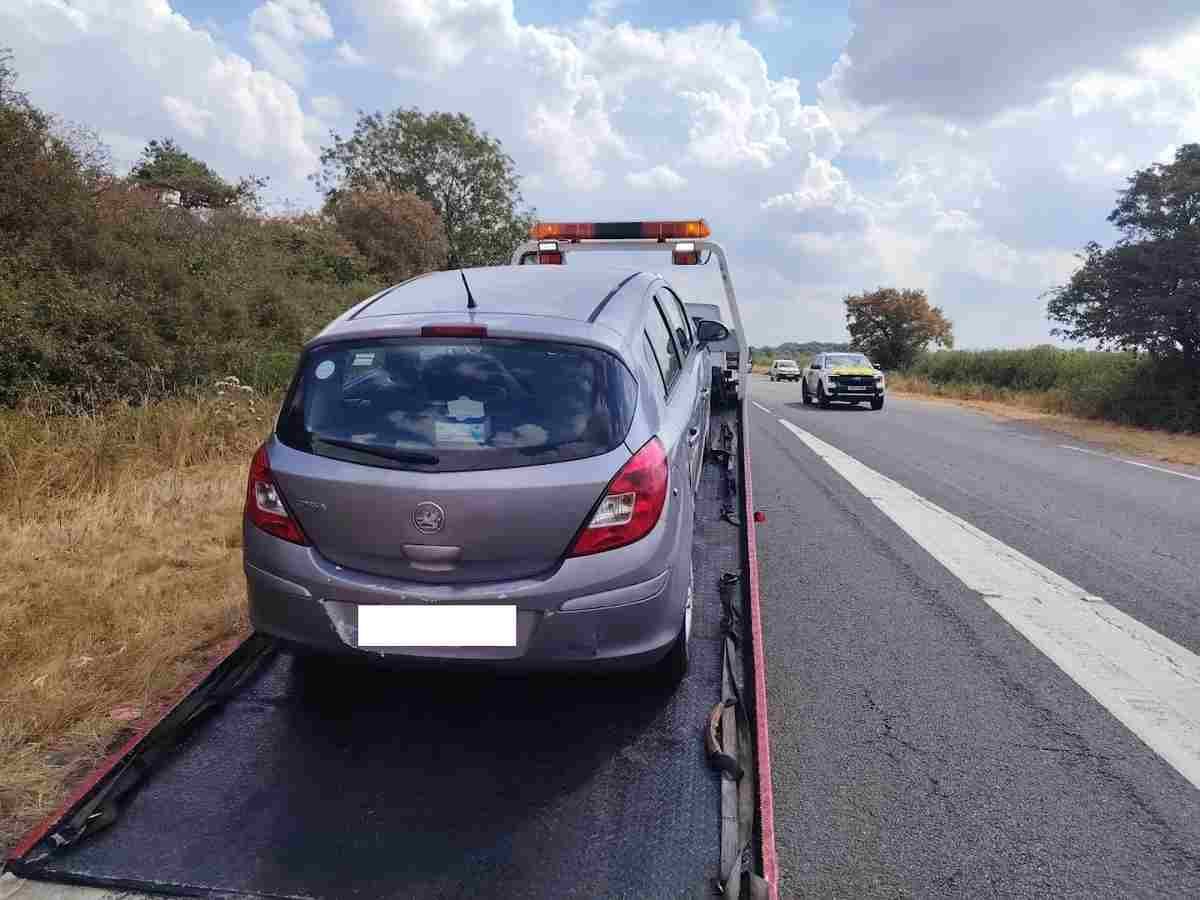
When a breakdown occurs on a major route, you need a recovery team that understands the local geography, knows the quickest motorway access points, and can deploy the correct towing equipment immediately to minimise danger.
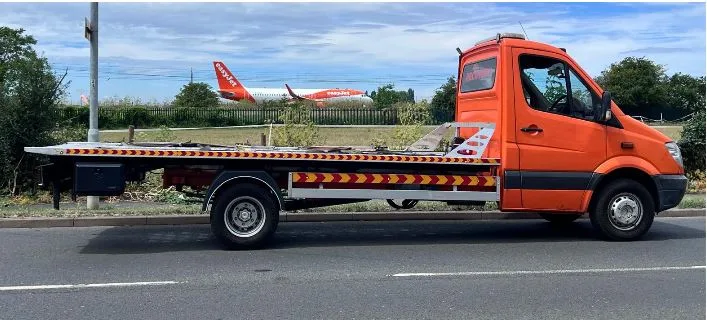
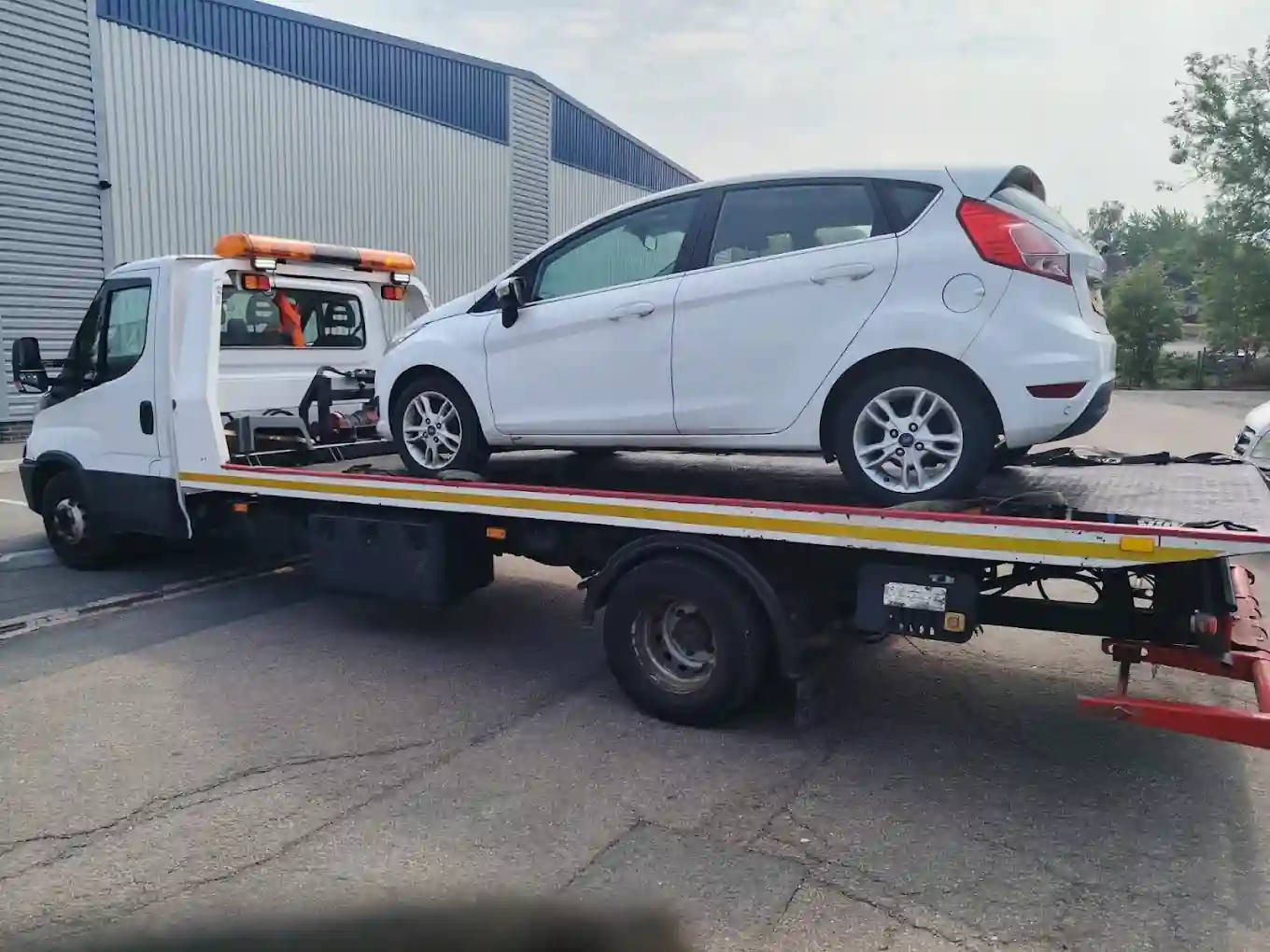
At Easy Road Recovery, we provide rapid, reliable, and fully insured 24/7 assistance across the entire region. Whether you require emergency car recovery in Solihull after an incident near Junction 4, fast vehicle transport from Tamworth, or urgent accident recovery in Birmingham off the Aston Motorway, our expert fleet is equipped to handle the job safely.
We prioritise your safety from the moment you call, keeping you updated on our ETA so you are not left waiting on the side of the road.
Stranded on the A38 or M42 right now? Do not take chances with your safety. Save our number or call our 24/7 emergency dispatch line directly on 0333 772 4098 for a fast, secure rescue.
Frequently Asked Questions (FAQ)
What should I do if my car stops in a live lane on a smart motorway?
If you cannot reach an emergency area or hard shoulder, keep your seatbelts on, switch on your hazard lights, and call 999 immediately. Regional traffic control centres can use overhead lane closures (red 'X' symbols) to protect your vehicle.
Can you tow electric vehicles (EVs) off the M42 or A38?
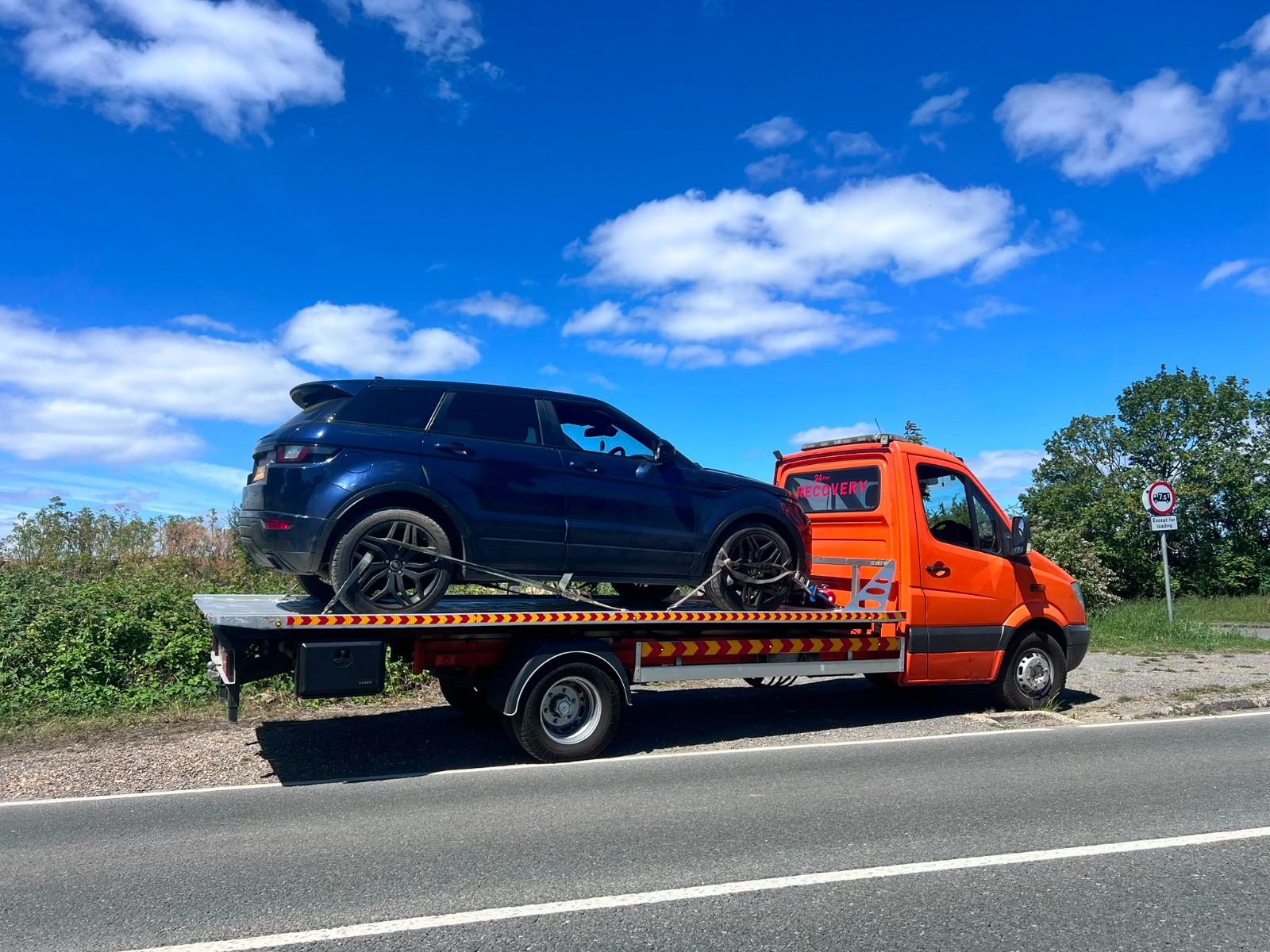
Yes. Electric vehicles require specialist flatbed recovery trucks because towing them with their wheels on the ground can cause severe damage to the electric motors. Easy Road Recovery has the specialised transport equipment necessary to move EVs safely.
How long does it take for a breakdown truck to reach the M42?
Our average emergency response time for major West Midlands routes such as the M42 and A38 is between 30 and 45 minutes, depending on local traffic flow and conditions. We always aim to reach stranded motorists as quickly as possible.
Also you can read :- Recovery Services for Vehicles With Lost or Missing Keys