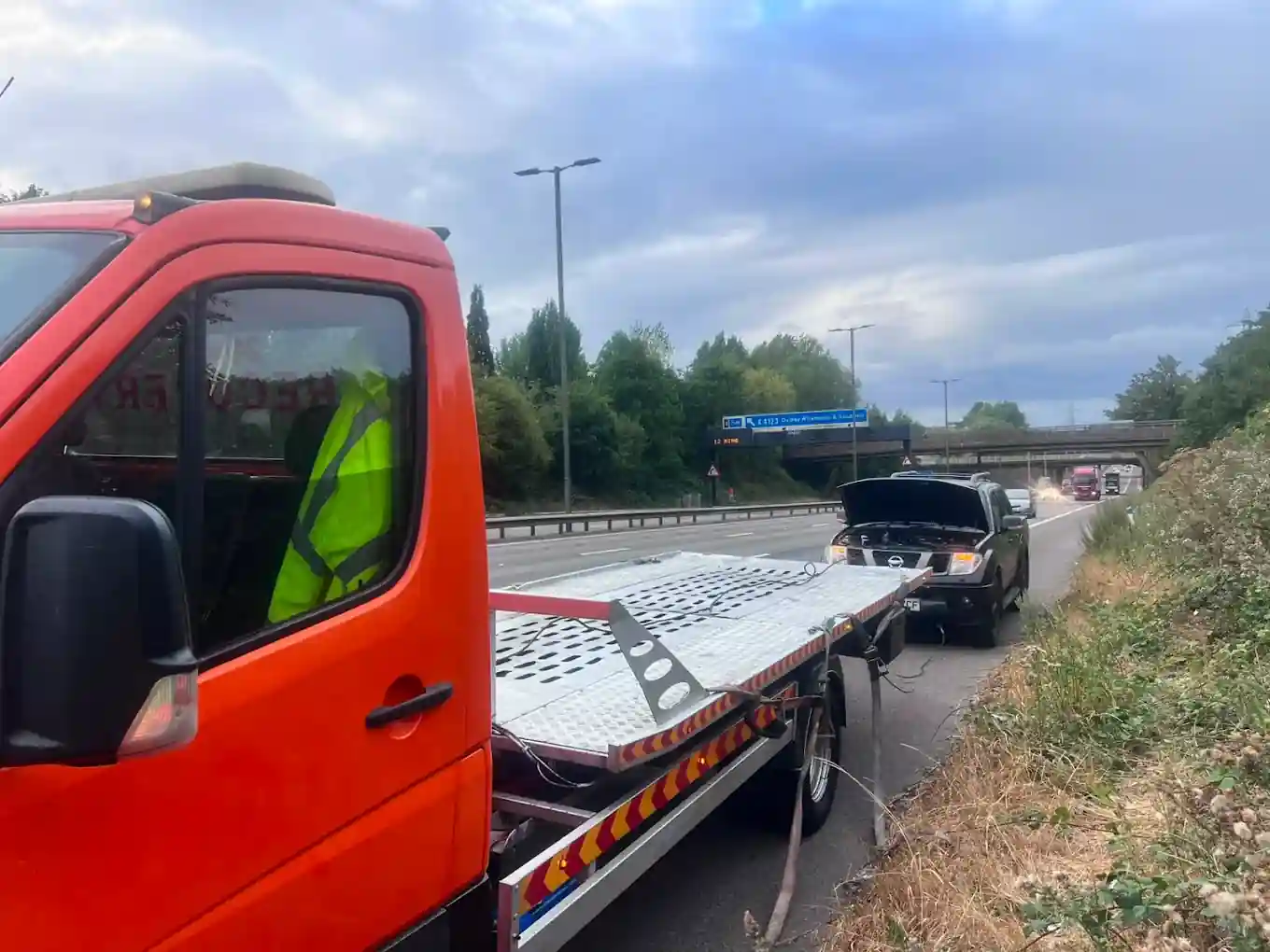
After a crash, a car can look severely damaged. A wheel may be twisted, a bumper may be hanging loose, and fluid may be leaking onto the road. However, moving a damaged car safely is a skilled job. A professional accident recovery truck service does not simply hook up the car and drive away. Recovery operators follow a careful process to prevent further damage. Here is what really happens after an accident.
The First Check: Can the Damaged Car Move at All?
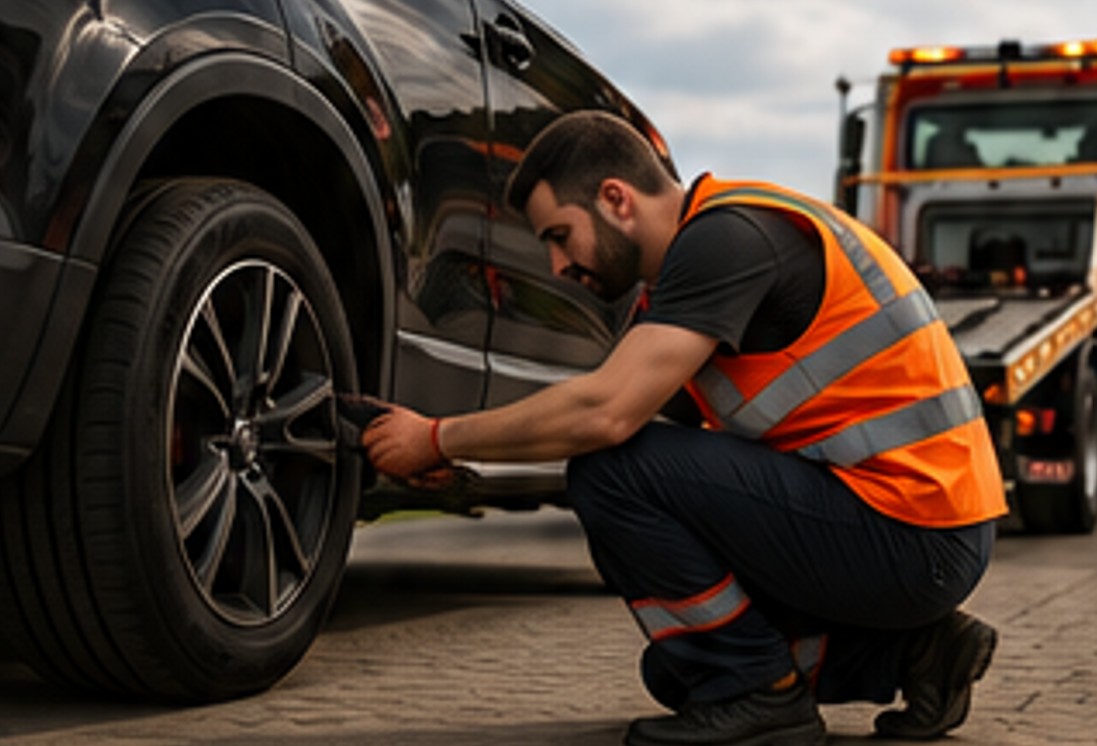
A recovery operator should not rush when arriving at the scene. They inspect the damage around the vehicle and carry out a full visual assessment. They check the wheels, suspension, steering and the road underneath the vehicle.
The car should not be allowed to roll if a wheel has been pushed inwards or a control arm has snapped. Rolling it could cause the tyre to rub against the bodywork and result in further damage.
The operator will also check for fuel, oil or other fluid leaks. A vehicle leaking flammable fluids can present additional safety risks during recovery. Depending on the condition of the vehicle, the operator will decide whether it can be winched carefully or whether specialist skates or dollies are required under the wheels.
This initial assessment is the foundation of any accident recovery truck service. It determines the safest approach for every subsequent step.
Choosing the Right Recovery Equipment
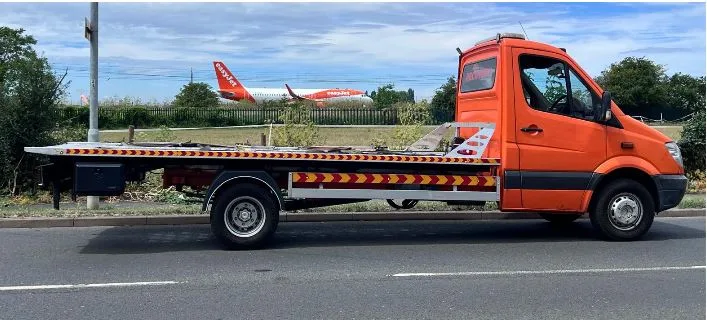
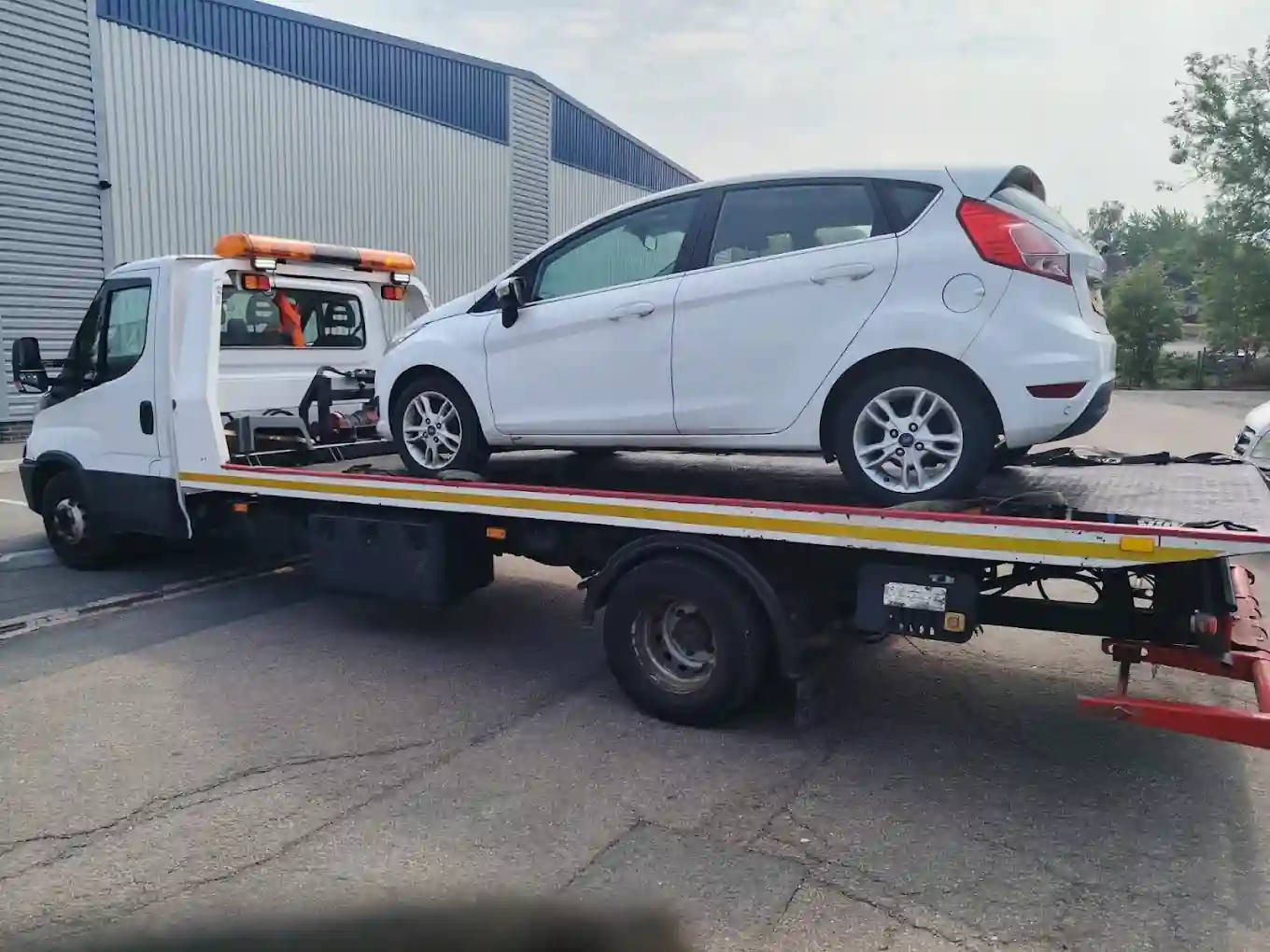
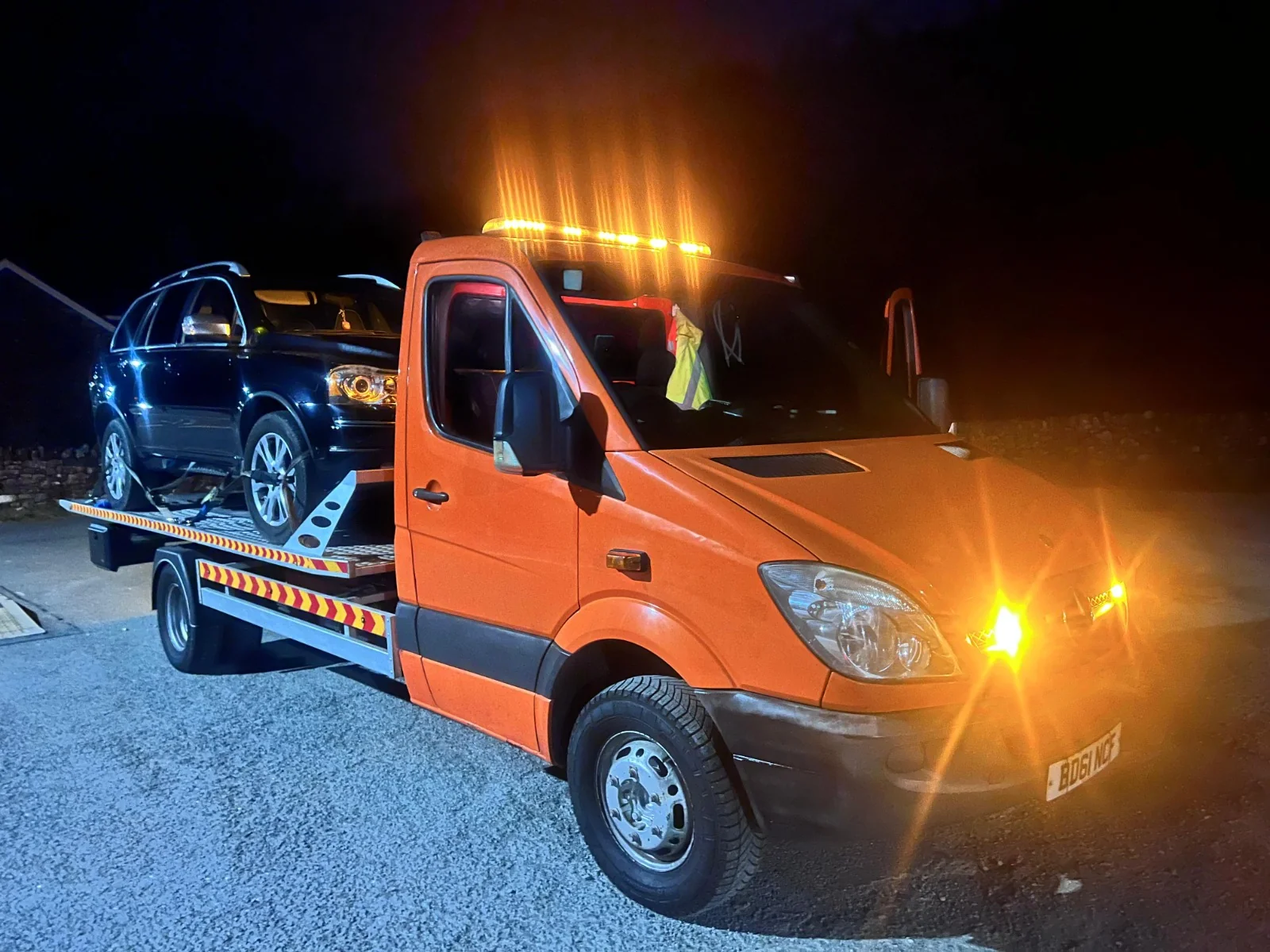
Not all recovery trucks are the same. For a severely damaged car, a flatbed recovery truck is often the safest option because the entire vehicle is supported on a level loading bed. This keeps all four wheels off the ground and reduces the risk of putting additional strain on damaged suspension components.
A wheel-lift recovery truck can be suitable for vehicles with minor damage, but additional dollies may be required if the front wheels cannot turn freely. The vehicle's dimensions, weight and condition also need to be considered. A heavy electric SUV, for example, may require a stronger winch and a suitable loading bed compared with a small city car.
If a vehicle is in a ditch or has been pushed against a crash barrier, the operator may need to use additional recovery equipment, such as a crane, pulleys or specialist winching equipment.
Many people search for "car towing after an accident near me" immediately after a crash. However, not every local recovery truck is suitable for a severely damaged vehicle. In a city such as Birmingham, a specialist vehicle recovery Birmingham operator may need to use a low-entry flatbed to recover a car from a tight car park.
Using the correct equipment helps prevent an already difficult situation from becoming worse.
Loading Without Causing Further Damage
Loading is one of the most delicate stages of the recovery process. A damaged car may have sharp edges, cracked glass and loose body panels. Operators attach the winch cable to suitable recovery points on the vehicle, rather than to a bent bumper or damaged wheel.
If the wheels are locked or cannot turn, the operator may place suitable recovery skates or dollies underneath them. These allow the vehicle to be moved without relying on the damaged wheels to roll normally.
For example, imagine a hatchback with a snapped lower control arm and a front wheel that is leaning sideways. If the operator winches the car directly onto the flatbed, the damaged wheel could catch on the ramp and cause further damage to the wing.
Instead, the operator can place a suitable dolly underneath the damaged wheel before winching the vehicle onto the loading bed. Once the car is safely on the bed, it is secured using appropriate wheel straps and approved securing points.
Loose components, such as a hanging bumper or bonnet, may also need to be secured to prevent them from moving during transport. Careful loading is what separates a professional accident recovery truck service from a rushed recovery.
When the Car Cannot Roll at All
Some cars are completely immobilised after a crash. The transmission may be stuck in Park, the brakes may be seized, or the wheels may be pointing in different directions.
In these situations, the operator may use four-wheel recovery skates, dollies or other specialist equipment to move the vehicle safely. These devices support the wheels and allow the car to be repositioned without relying on the damaged steering or suspension.
This can be particularly useful after side-impact collisions where an axle or suspension component has been damaged. A standard wheel-lift recovery truck may not be suitable in such circumstances.
If you are searching for "car towing after an accident near me" following a severe crash, ask whether the recovery operator has suitable skates, dollies and a flatbed truck. A specialist vehicle recovery Birmingham team may have equipment designed for recovering damaged vehicles from tight spaces.
The operator can also use protective padding around sharp or exposed areas before securing the vehicle. This helps reduce the risk of further damage during transport, particularly on longer journeys.
What You Should Tell the Recovery Team
After an accident, you want help quickly. A search for "car towing after an accident near me" may produce many results, but not every recovery operator will have the equipment needed for a severely damaged vehicle.
A professional operator will usually ask you several clear questions. You should be prepared to provide:
- ✓ Your exact location, including road names, landmarks or motorway markers.
- ✓ Details about the car's condition, such as which wheel is damaged or whether it is leaking fluid.
- ✓ Whether the vehicle is blocking traffic or has become stuck in a ditch.
- ✓ The type of vehicle, particularly if it is electric or hybrid.
- ✓ Any access problems, such as a narrow lane, steep slope or underground car park.
This information helps the recovery team bring the appropriate equipment. If you explain that a front wheel has been bent inwards, for example, the operator may bring a flatbed truck with a winch and suitable dolly.
If the car is in a tight car park, the operator may need to send a smaller recovery vehicle equipped with specialist skates or other equipment.
Providing clear and accurate information can save time and help protect the vehicle from further damage.
Conclusion
Moving a crashed car is not simply a matter of towing it away. It is a careful process that involves assessing the damage, choosing the right equipment, loading the vehicle safely, and securing any loose components.
A professional accident recovery truck service considers the condition of each damaged component before moving the vehicle. That is why choosing the right recovery team matters.
If you are in the Birmingham area and have a vehicle that has suffered severe damage or has low ground clearance, a specialist vehicle recovery company in Birmingham may be able to provide the appropriate equipment and expertise.
After an accident, prioritise your safety and follow any instructions from the emergency services or other relevant authorities. Once it is safe to do so, provide the recovery team with accurate information about the vehicle and its location so they can carry out the recovery safely.