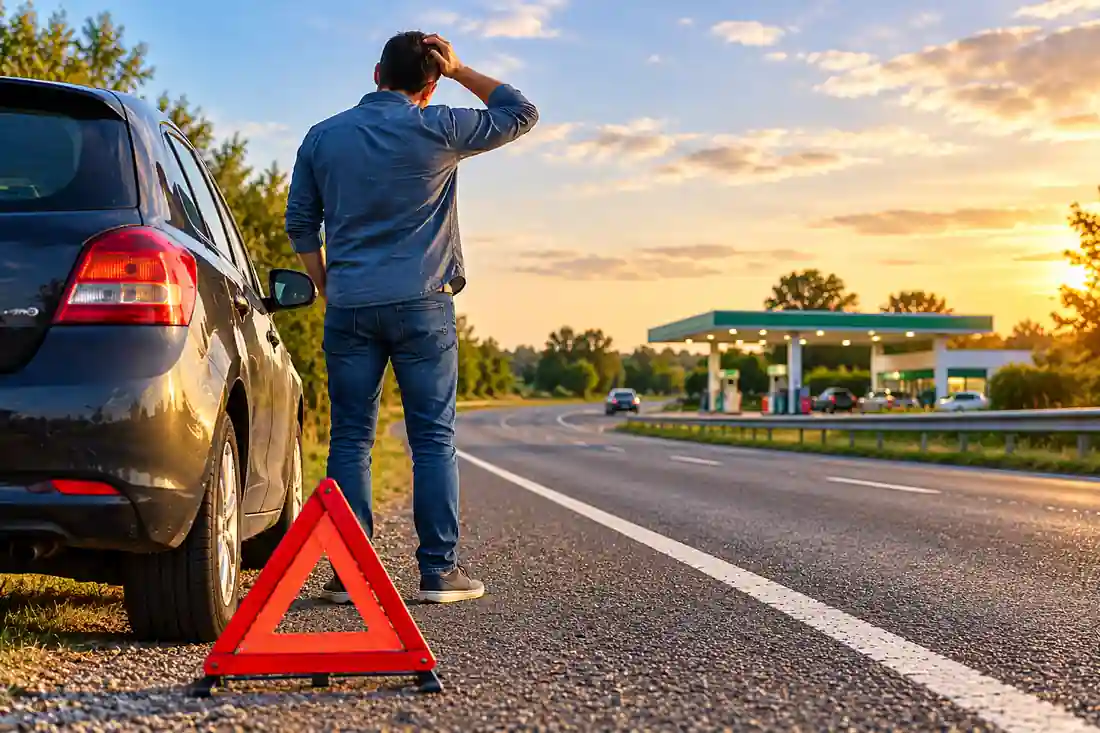
Imagine you are driving through Birmingham on a busy afternoon when you notice the temperature gauge moving towards the red. A few moments later, a warning light appears on your dashboard, or you spot steam coming from under the bonnet.
It is a situation no driver wants to face, especially when travelling on a busy road or motorway.
Your first thought might be to keep driving until you reach the nearest garage. However, continuing to drive an overheating car can cause serious engine damage and leave you facing expensive repairs.
A car overheating breakdown can happen for several reasons, including low coolant levels, a faulty radiator or a problem with the engine's cooling system.
Knowing what to do when your car overheats can help you stay safe, protect your engine and decide when to call for professional recovery assistance.
What Causes a Car Overheating Breakdown?
Your car's cooling system helps maintain a safe engine temperature while you drive. When something goes wrong with this system, heat can build up quickly.
Here are some common reasons why a car might overheat.
1. Low Coolant Levels
Coolant helps regulate your engine's temperature. If the level drops too low, the cooling system may struggle to remove heat effectively.
A leaking radiator, damaged hose or loose connection could be responsible for the loss of coolant.
If you regularly need to top up the coolant reservoir, have the system checked by a qualified mechanic.
2. Faulty Radiator Fan
Have you noticed your car's temperature rising while sitting in traffic but returning to normal once you start moving?
A faulty radiator fan could be the reason.
The fan helps cool the radiator when there is not enough airflow, particularly during slow-moving traffic or when the vehicle is stationary.
3. Water Pump Problems
The water pump circulates coolant through the engine and radiator.
If the pump becomes damaged or stops working properly, coolant may not circulate as it should. This can cause the engine temperature to rise quickly.
4. Stuck Thermostat
The thermostat controls the flow of coolant through the engine's cooling system.
If it becomes stuck in the closed position, hot coolant may not reach the radiator, causing the engine to overheat.
5. Blocked or Damaged Radiator
Your radiator plays an important role in keeping the engine cool.
Dirt, debris or internal deposits can restrict airflow or coolant circulation, making it harder for the radiator to release heat.
6. Low Engine Oil
Engine oil reduces friction between moving engine components and helps carry away some heat.
Driving with insufficient oil can increase friction and engine temperature, potentially causing serious mechanical damage.
How Can You Tell If Your Car Is Overheating?
An overheating engine often gives you warning signs before a complete breakdown.
Recognising these signs early can help you avoid further damage.
| Warning sign | What it could mean |
|---|---|
| Temperature gauge moves into the red | The engine temperature is above its normal operating range |
| Red temperature warning light appears | The vehicle is warning you about an engine temperature problem |
| Steam comes from under the bonnet | Coolant may be escaping or boiling within the cooling system |
| Sweet smell around the vehicle | Coolant could be leaking onto hot engine components |
| Knocking or ticking noises | Excessive heat may be affecting internal engine components |
| Reduced engine performance | The engine may be struggling or limiting power because of overheating |
Important: If you notice any of these signs, do not ignore them. Find a safe place to stop as soon as possible.
What Should You Do If Your Car Overheats While Driving?
If your car starts overheating, the most important thing is to stay calm and avoid making the situation worse.
Follow these steps to protect yourself and your vehicle.
Step 1: Find a Safe Place to Stop
Reduce your speed gradually and look for a suitable place to pull over.
Avoid sudden braking or stopping somewhere that could put you or other road users at risk.
If you are driving through Birmingham city centre or on a busy road, try to reach a safe parking area or another suitable stopping place.
Use your hazard warning lights when appropriate to alert other drivers.
Step 2: Switch Off the Engine
Once you have stopped safely, turn off the engine.
Keeping an overheating engine running can increase the risk of damage to the head gasket, cylinder head and other internal components.
Do not continue driving simply because your destination is only a few miles away.
Also you can read :- What to Do If Your Car Breaks Down on the A38 Near Lichfield?
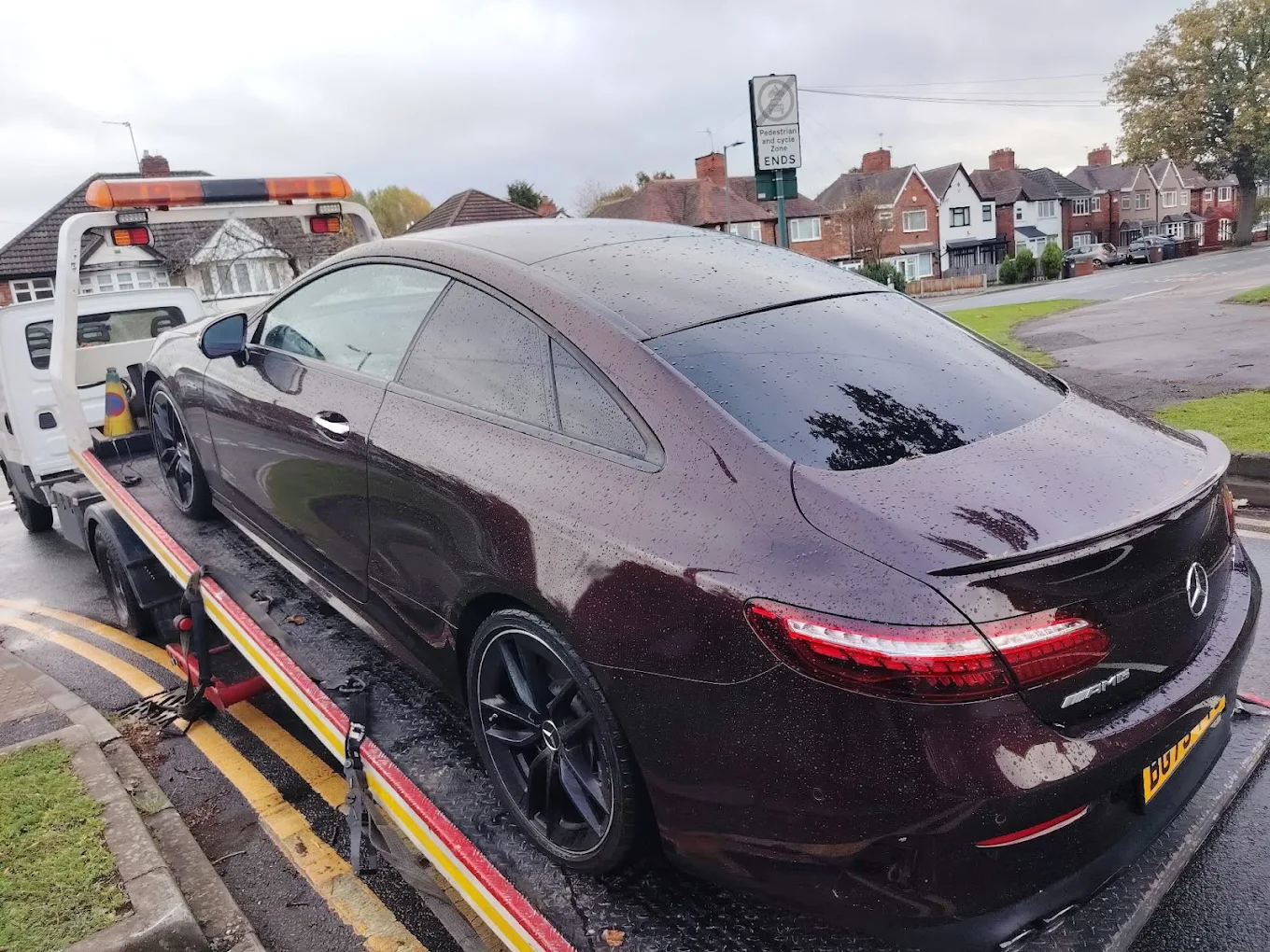
If the vehicle cannot be driven safely, you may need a car overheating recovery service in Birmingham to transport it to a garage.
Step 3: Keep Yourself and Your Passengers Safe
Your safety should always come before the vehicle.
If you break down on a motorway or another high-speed road, follow the appropriate breakdown safety guidance.
Where it is safe to do so, exit through the left-hand doors and move behind a safety barrier, away from moving traffic.
Do not attempt to cross a motorway or stand close to passing vehicles.
If you cannot safely leave the vehicle, keep your seatbelt fastened and seek emergency assistance. Call 999 if you are in immediate danger.
Step 4: Allow the Engine to Cool
An overheated engine can remain extremely hot even after it has been switched off.
If steam is escaping from under the bonnet, keep your distance and wait until it is safe to approach.
Allow the engine to cool naturally. Avoid touching hot engine components or attempting repairs while the cooling system is still hot.
Step 5: Never Open the Coolant Cap While Hot
This is one of the most important safety precautions.
The cooling system can remain pressurised when the engine is hot.
Opening the radiator or coolant reservoir cap too early may release boiling coolant or steam, potentially causing serious burns.
Wait until the engine and cooling system have fully cooled before considering any checks, and follow your vehicle manufacturer's instructions.
Step 6: Contact an Emergency Car Recovery Service
If you cannot identify the cause of the overheating, or the vehicle is unsafe to drive, arrange professional assistance.
A recovery service can help transport your car to a suitable garage without risking further engine damage.
For drivers in Birmingham and the surrounding areas, Easy Road Recovery provides vehicle recovery assistance when a breakdown leaves a car unable to continue safely.
What Happens If You Keep Driving an Overheating Car?
You might think driving another mile or two will not cause much harm.
Unfortunately, an overheating engine can suffer serious damage in a short time.
Here are some problems that may develop if you continue driving.
| Possible damage | How it affects your vehicle |
|---|---|
| Blown head gasket | Can allow coolant and engine oil to mix or leak into areas where they should not |
| Warped cylinder head | Excessive heat can distort the cylinder head and affect engine performance |
| Loss of oil protection | Extreme temperatures can reduce the oil's ability to protect moving parts |
| Damaged pistons | Excessive heat can damage pistons and other internal engine components |
| Complete engine failure | Severe overheating can result in damage requiring major repairs or engine replacement |
Repairing an overheated engine can be expensive, particularly if the damage affects several internal components.
Stopping safely and arranging recovery when necessary may help prevent a manageable problem from becoming a major repair.
Is It Safe to Drive After Your Car Has Overheated?
Not necessarily.
Just because the temperature gauge has returned to normal does not mean the original problem has been fixed.
For example, a leaking coolant hose might allow the engine to cool temporarily. However, once you restart the car, the temperature could begin rising again.
Also you can read :- Can You Tow a Car with a Flat Tyre?
The same applies to a faulty thermostat, water pump or radiator fan.
Avoid restarting or driving your vehicle if:
Coolant is leaking underneath the car.
Steam continues to escape from the engine.
The temperature warning light comes back on.
The engine makes unusual knocking or ticking noises.
You cannot identify what caused the overheating.
If you are unsure whether the vehicle is safe to drive, arrange a professional inspection or recovery instead of taking unnecessary risks.
How Long Does It Take for an Overheated Engine to Cool Down?
There is no fixed cooling time for every vehicle.
The time required depends on several factors, including the engine temperature, outside weather conditions, and the severity of the overheating.
Also, you can read this: What to Do If Your Car Runs Out of Fuel on the Road
As a rough guide, an engine may need at least 30 minutes to cool, although severe overheating can require considerably longer.
Even after 30 minutes, some components and the cooling system may still be dangerously hot.
While waiting:
➤ Do not touch hot engine components.
➤ Never remove the coolant cap while the system is hot.
➤ Avoid pouring cold water over a hot engine.
➤ Follow the vehicle handbook before checking fluid levels.
➤ Do not assume the problem is fixed simply because the engine has cooled.
➤ Remember, allowing an engine to cool does not repair the fault that caused it to overheat.
When Should You Arrange Car Overheating Recovery in Birmingham?
Imagine your car starts overheating while travelling along the A38, A45 or another busy road around Birmingham.
You manage to stop safely, but the engine warning light remains on, and you notice coolant leaking beneath the vehicle.
In this situation, attempting to drive to the nearest garage could cause further damage.
Also you can read this :- How to Prepare Your Car for Winter Driving in Birmingham
Arranging emergency car recovery may be the safer option.
You should consider professional recovery if your car has stopped working, the coolant is leaking, the engine continues to overheat or you are unsure whether it is safe to restart.
What Information Should You Give the Recovery Team?
When contacting a car recovery service, try to provide the following information:
Your current location or nearest landmark.
Your vehicle's make and model.
The symptoms you noticed before stopping.
Whether the engine is still overheating or leaking coolant.
Your preferred garage or recovery destination.
Providing accurate information helps the recovery team understand the situation and prepare for your vehicle.
If you need car overheating recovery in Birmingham, Easy Road Recovery can assist with transporting your vehicle to a suitable destination.
How Can You Prevent Your Car from Overheating?
Not every overheating problem can be prevented, but regular maintenance can reduce the risk of an unexpected breakdown.
Here are some simple habits worth following.
Check Your Coolant Regularly
Check the coolant level when the engine is cold, following the manufacturer's instructions.
If you notice the level dropping repeatedly, arrange an inspection rather than constantly topping it up.
Watch the Temperature Gauge
Pay attention to your vehicle's normal operating temperature.
If the gauge regularly climbs higher than usual, especially during traffic, have the cooling system checked.
Look for Leaks
A wet patch beneath your parked car or a sweet smell around the engine could indicate a coolant leak.
Do not ignore these warning signs.
Check the Radiator and Cooling Fan
A damaged radiator or faulty cooling fan can make overheating more likely.
Ask a mechanic to inspect these components if you notice unusual temperature changes.
Keep Up With Regular Servicing
Routine servicing helps identify potential problems before they lead to a breakdown.
Make sure the coolant, engine oil and other essential fluids are checked according to your vehicle's service schedule.
Inspect Your Car Before Long Journeys
Planning a long drive from Birmingham?
Check your vehicle's fluid levels, tyres and warning lights before setting off.
If you already suspect a cooling system problem, have it inspected before travelling.
Need Emergency Car Recovery in Birmingham?
An overheating engine is something you should never ignore.
If your car starts overheating while driving, find a safe place to stop, switch off the engine and allow it to cool. Never open the coolant cap while the engine is hot, and avoid driving again until you know what caused the problem.
If you are dealing with a car overheating breakdown in Birmingham or the surrounding areas, Easy Road Recovery can help arrange professional vehicle recovery.
Whether your car has developed a coolant leak, suffered an engine problem or stopped unexpectedly, our team can help transport your vehicle to a suitable garage or another agreed destination.
Need help with an overheating car? Call Easy Road Recovery on 0333 772 4098.